

Data Scientist (Program Officer)
National Institutes of HealthThese positions are located in the Department of Health and Human Services (DHHS), National Institutes of Health (NIH), National Cancer Institute (NCI), Division of Cancer Prevention (DCP), Biometry Research Group (BRG). As a Data Scientist you will be responsible for supporting the organization in meeting its strategic goals and in working with investigators to promote and apply computer methods and tools that advance scientific discovery and promote public health.Manage workload and project priorities and ensure timelines are adhered to.Direct work so that it remains focused on the research goals.Coordinate with higher level management for needed resources.Perform scientific and administrative reviews and analysis of applications/proposals from a programmatic viewpoint.Consult with and advise grantees/contractors during preparation of applications/proposals and provide guidance on program issues.Develop, coordinate, and administer grants, cooperative agreements, and contracts established to fulfill the mission of the Brand and Division.Organize and conduct workshops, conferences, symposiums, or similar activities.Visit universities, research institutions, commercial organizations, other government agencies, and public and private organizations to promote and explain the objectives of the program.
Opens the company's application page
Listed via
USAJobs
usajobs.gov
Similar roles
AI Data Associate (Dutch) , Artificial General Intelligence Data Services
AI
AI Data Associate (Dutch) , Artificial General Intelligence Data Services
AI

Senior Data Researcher
Dolby

IT Specialist (Data Management)
Food Safety and Inspection Service
Design & Tech
Related reads from TCHNX

The Emergence of Small Language Models: Why Efficiency Is Overtaking Scale
As the AI industry confronts computational costs and environmental concerns, a new generation of compact models is proving that bigger isn't always better. Small language models are reshaping enterprise AI deployment.

Algorithmic Bias in Design Systems: Why Your AI-Generated UI Might Exclude Users
As AI tools increasingly generate interface components, they're embedding biases that systematically exclude users. Understanding how machine learning models inherit prejudice is essential for creating truly inclusive design systems.
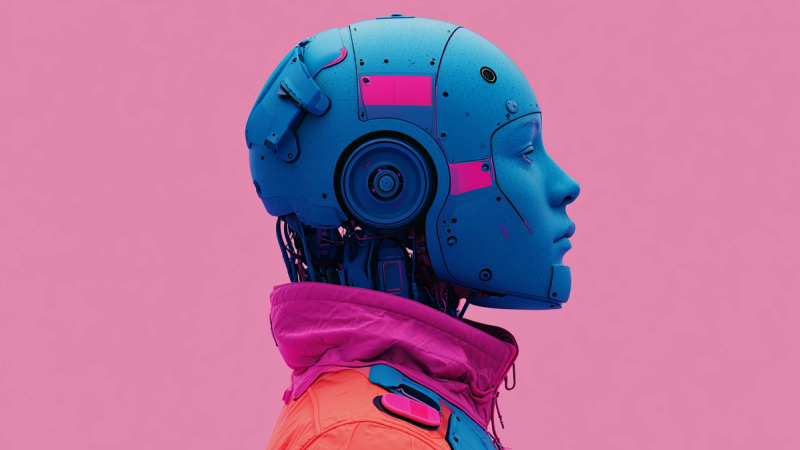
The Synthetic Design Problem: Can AI-Generated Assets Ever Replace Human Creativity?
As AI design tools flood creative workflows, a fundamental question emerges: are we automating creativity or merely industrialising pastiche? The answer reshapes how we understand design innovation itself.