

Direct Hire Public Notice - Data Scientist
Nuclear Regulatory CommissionThe U.S. Nuclear Regulatory Commission (NRC) will use Direct Hire Authority to fill vacancies for the Data Scientist positions within the agency. This vacancy is a REPOSITORY of applications. Applicants
MAY BE
periodically referred to Selecting Officials both during the open period and for up to 90 days after the closing date of the vacancy. Because of the large number of applications anticipated, applicants status will not be updated UNLESS referred.Duties may include conducting and coordinating highly specialized analysis of a wide range of data mining/data analysis methods (e.g., data cleansing, data management, analytics, visualization and engineering), modeling (e. g., model selection, training, evaluation and tuning), mathematics, statistics and artificial intelligence to collect, analyze, and interpret large data sets. Work involves thorough technical expertise to accomplish gathering and maintenance of data, data analytics, development of methodological approaches, study design, development of data strategies and data policies, and advanced written, verbal, and visual communications of study / analysis output. Duties andresponsibilities vary and may increase according to the grade level of the position. These positions may be subject to Confidential Financial Disclosure reportingrequirements and subject to security ownership restriction reportingrequirements.
Opens the company's application page
Listed via
USAJobs
usajobs.gov
Similar roles

Design & Tech
Related reads from TCHNX

The Emergence of Small Language Models: Why Efficiency Is Overtaking Scale
As the AI industry confronts computational costs and environmental concerns, a new generation of compact models is proving that bigger isn't always better. Small language models are reshaping enterprise AI deployment.

Algorithmic Bias in Design Systems: Why Your AI-Generated UI Might Exclude Users
As AI tools increasingly generate interface components, they're embedding biases that systematically exclude users. Understanding how machine learning models inherit prejudice is essential for creating truly inclusive design systems.
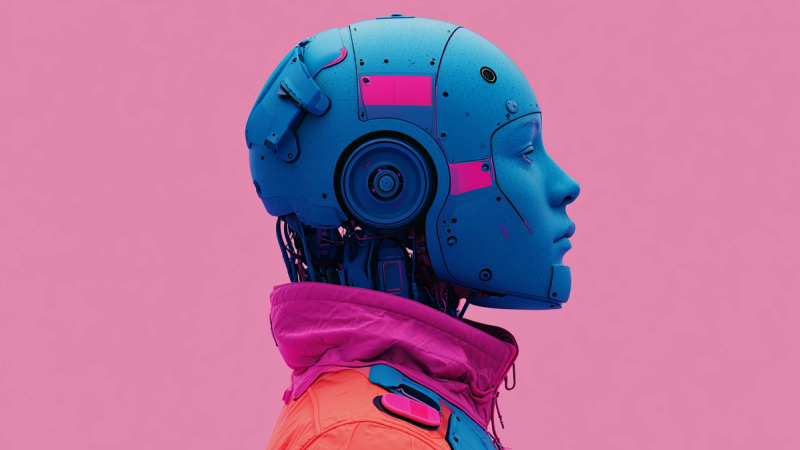
The Synthetic Design Problem: Can AI-Generated Assets Ever Replace Human Creativity?
As AI design tools flood creative workflows, a fundamental question emerges: are we automating creativity or merely industrialising pastiche? The answer reshapes how we understand design innovation itself.