

INTERDSICPLINARY GENERAL ENGINEER/PSYCHOLOGIST (ENGINEERING)
Naval Air Systems CommandYou will serve as a General Engineer or Psychologist (Engineering) in the Human Systems Engineering Department of NAVAIRWARCENAC DIV.You will use a variety of human factors and human-computer interaction techniques, processes, and methods to evaluate, and model systems that interact with human operators, including artificially intelligent, autonomous, and automated systems.You will provide authoritative input and advice on scientific issues and technical issues to ensure projectrequirements are met.You will provide expert guidance and recommendations, lead and conduct research, and advance the science and technology of human-autonomy teaming interfaces and systems.You will oversee the development of cost, schedule, and performancerequirements for aviation weapons system program.You will provide guidance to integrated program team members in support of human system engineering and other technical program initiatives.You will exercise discretion and judgment in determining whether to broaden or narrow the scope of assigned projects/programs.You will maintain professional relationships with all stakeholders to support the success of the aviation weapons system programs.You will prepare written and oral presentations for stakeholders on project status, technical problems, scheduling, and costs for assigned program/project.You will accomplish other duties as assigned.
Opens the company's application page
Listed via
USAJobs
usajobs.gov
Similar roles

Design & Tech
Related reads from TCHNX
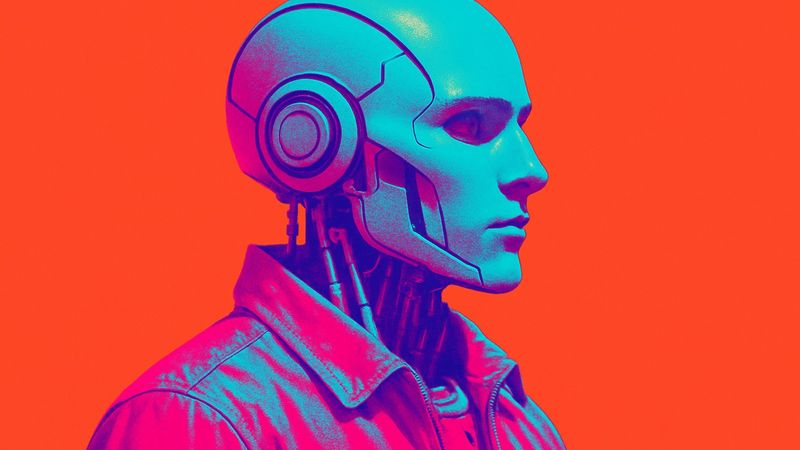
The Rise of AI-Assisted Coding: Are Developer Tools Becoming Too Smart?
GitHub Copilot and similar AI tools are reshaping how developers write code. But as these assistants grow more capable, questions emerge about code quality, security, and what it means to learn programming.

The Quiet Revolution in Local-First Software
As major platforms face outages and data breaches, a new generation of developers is building applications that prioritise local data storage and peer-to-peer sync, challenging the cloud-first orthodoxy that's dominated tech for two decades.

The Quiet Revolution in Edge AI: Why Your Next Computer Might Not Need the Cloud
As neural processing units become standard in consumer devices, we're witnessing a fundamental shift in how AI applications work. Local processing is no longer a fallback; it's becoming the preferred architecture.