

IT CYBERSECURITY SPECIALIST (INFOSEC)
Defense Information Systems AgencyThis position is being recruited under 10 USC 1599f into the Cyber Excepted Service and does NOT convey eligibility to be converted to the Competitive Service. It has been identified as a position necessary to carry out and support the mission of the US Cyber Command. It is in the Professional Work Category at the Full Performance Work Level within the CES Occupational Structure. It is located in the DISA IT/IT322.Oversees the cybersecurity program of an information system or network; including managing information security implications within the organization, specific program, or other areas of responsibility.Develops cyber plans, strategy, and policies aligned with organization missions to ensure system reliability and accessibility. Defends against unauthorized access to systems, networks, and data.Facilitates the gathering, analysis, and preservation of evidence used in the prosecution of computer crimes. Assesses security events to determine impact and implements corrective actions.Ensures the rigorous application of information security/information assurance policies, principles, and practices in the delivery of all IT services.Assesses security events to determine impact and implements corrective actions.
Opens the company's application page
Listed via
USAJobs
usajobs.gov
Similar roles


Design & Tech
Related reads from TCHNX
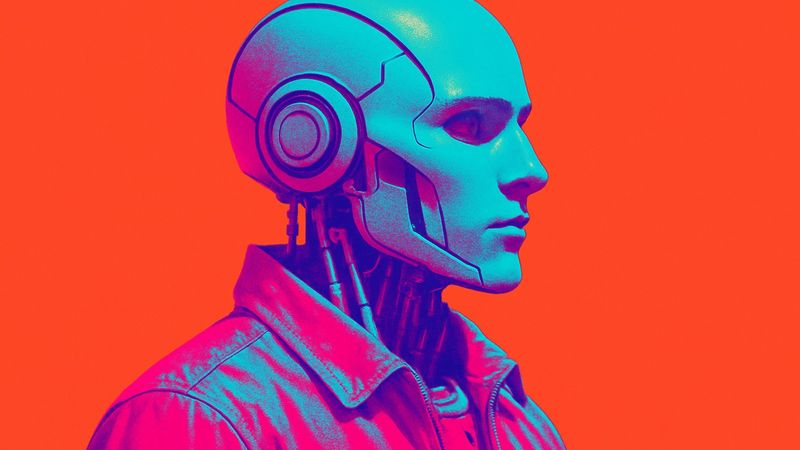
The Rise of AI-Assisted Coding: Are Developer Tools Becoming Too Smart?
GitHub Copilot and similar AI tools are reshaping how developers write code. But as these assistants grow more capable, questions emerge about code quality, security, and what it means to learn programming.

The Quiet Revolution in Local-First Software
As major platforms face outages and data breaches, a new generation of developers is building applications that prioritise local data storage and peer-to-peer sync, challenging the cloud-first orthodoxy that's dominated tech for two decades.

The Quiet Revolution in Edge AI: Why Your Next Computer Might Not Need the Cloud
As neural processing units become standard in consumer devices, we're witnessing a fundamental shift in how AI applications work. Local processing is no longer a fallback; it's becoming the preferred architecture.