

IT SPECIALIST (DATAMGT)
Naval Sea Systems CommandYou will serve as a Database Administrator in the Warfighter Defense & Systems Integration Department, EOD Information Management Division, Information Systems & Technology Branch (W-25), of
NAVSURFWARCEN IH DIV.
The salary range shown above represents all of the positions within the band, including high grade positions. This is not a high-grade position; therefore, the salary may be limited to a GS-13 Step 10 (currently $158,322).You will analyze and define datarequirements and specifications.You will design, normalize, develop, install, and implement databases.You will maintain, monitor, performance tune, backup, and recover of databases.You will install, configure, and maintain database management systems software.You will analyze and plan for anticipated changes in data capacityrequirements.You will develop and administer data standards, policies, and procedures.You will develop and implement data mining and data warehousing programs.You will evaluate and provide recommendations on new database technologies and architectures.You will ensure the rigorous application of information security/information assurance policies, principles, and practices in the delivery of data management services.You will interact with the software development and network teams to coordinate database related activities to meet mission and stakeholder objectives.
Opens the company's application page
Listed via
USAJobs
usajobs.gov
Similar roles

Design & Tech
Related reads from TCHNX

The Emergence of Small Language Models: Why Efficiency Is Overtaking Scale
As the AI industry confronts computational costs and environmental concerns, a new generation of compact models is proving that bigger isn't always better. Small language models are reshaping enterprise AI deployment.

Algorithmic Bias in Design Systems: Why Your AI-Generated UI Might Exclude Users
As AI tools increasingly generate interface components, they're embedding biases that systematically exclude users. Understanding how machine learning models inherit prejudice is essential for creating truly inclusive design systems.
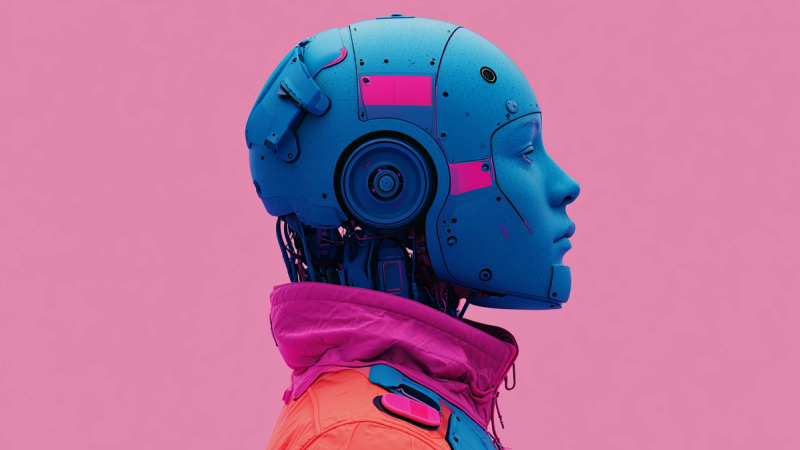
The Synthetic Design Problem: Can AI-Generated Assets Ever Replace Human Creativity?
As AI design tools flood creative workflows, a fundamental question emerges: are we automating creativity or merely industrialising pastiche? The answer reshapes how we understand design innovation itself.