

IT Technician II
U.S. CourtsThe Information Technology Technician II is part of the information technology team that performs end user support activities. At this level of function, technicians provide help desk support for end users and provide technical support installing and configuring computer hardware and software programs. Technicians II perform routine to moderately complex troubleshooting for hardware and software systems and may serve all levels of staff. This position is eligible for occasional telework.Respond to help desk calls and e-mails, log problems, and work with the IT team to resolve simple to complex technology issues in a timely manner. Analyze help desk logs to minimize future issues. Create/maintain end user accounts and provide end user training as needed. Install operating system images, software and patches to workstations and mobile devices. Administer Group Policies for workstations and user profile configurations. Assist in troubleshooting and servicing audio video systems. Manage IT assets. Prepare and maintain the documentation and standard operating procedures and checklists for end users and other technicians. Provide support for remote access and mobile computing devices. Recommend hardware, equipment and software updates. Stay abreast of new information technology hardware, software and industry trends and make recommendations to management in keeping the court current with their technology needs. Routine travel throughout the district is required. Occasional travel outside of the district may be required.
Opens the company's application page
Listed via
USAJobs
usajobs.gov
Similar roles

Design & Tech
Related reads from TCHNX
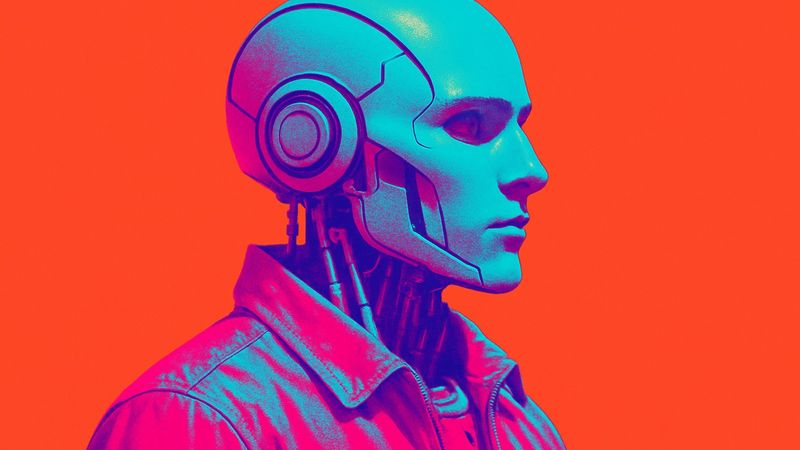
The Rise of AI-Assisted Coding: Are Developer Tools Becoming Too Smart?
GitHub Copilot and similar AI tools are reshaping how developers write code. But as these assistants grow more capable, questions emerge about code quality, security, and what it means to learn programming.

The Quiet Revolution in Local-First Software
As major platforms face outages and data breaches, a new generation of developers is building applications that prioritise local data storage and peer-to-peer sync, challenging the cloud-first orthodoxy that's dominated tech for two decades.

The Quiet Revolution in Edge AI: Why Your Next Computer Might Not Need the Cloud
As neural processing units become standard in consumer devices, we're witnessing a fundamental shift in how AI applications work. Local processing is no longer a fallback; it's becoming the preferred architecture.